
The Anatomy of Stress: How Tension Locks Your Body (And How Massage Breaks the Cycle)
- Pretty Skin Esthetics & Wellness
- Jun 18
- 2 min read


We often talk about stress as a purely mental weight—a long to-do list, a busy work week, or a racing mind. But your body doesn't separate psychological stress from physical threat. When you are chronically overwhelmed, your brain signals your muscles to involuntarily contract, guarding your body against perceived danger.
If this stress doesn’t let up, your muscles stay semi-contracted for weeks or even months at a time. This constant state of contraction cuts off proper circulation, traps cellular waste products inside the tissue, and causes that familiar, agonizing ache in your upper back, neck, and glutes. You aren't just feeling stressed; your body is physically locked in a defensive holding pattern.
Standard relaxation techniques rarely penetrate this deep, structural holding pattern. To break the cycle of chronic tension, you need a targeted therapeutic massage.
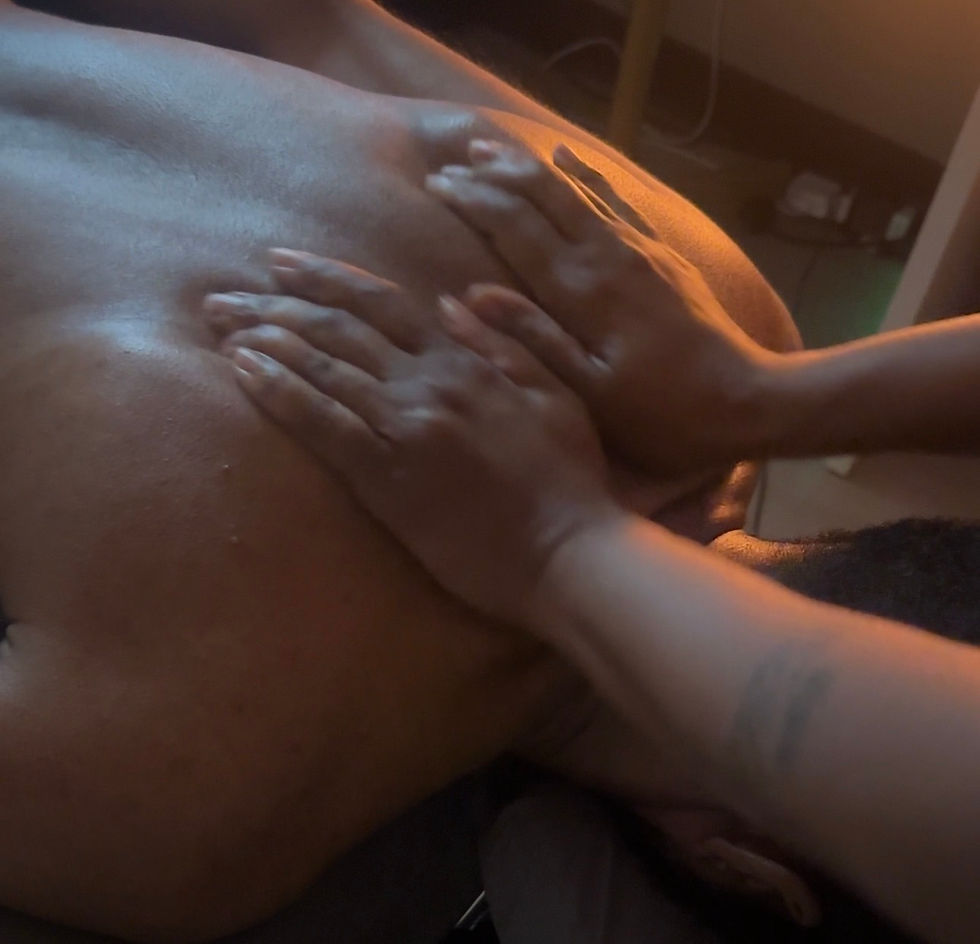
Clinical bodywork uses deep, deliberate strokes and focused myofascial release to manually lengthen those perpetually shortened muscles. By systematically pressing into the tightest bands of tissue, a skilled massage therapist forces the muscle fibers to finally let go and relax. This manual release instantly re-opens blood flow, floods the tissue with fresh oxygen, and flushes out the built-up lactic acid that makes your body feel heavy and bruised.
When you step into our private King of Prussia wellness suite on Allendale Road, our focus is on mapping out where your body uniquely stores its stress. Whether it is a tight lower back from hours of sitting or locked shoulders from everyday pressure, we target the structural root of your discomfort. Investing in routine massage therapy isn’t just a break from a busy day—it is a necessary mechanical reset that releases physical tension, relieves pain, and restores your body's natural state of ease.



Comments